Tips for choosing the right rock wool thickness for your project
Choosing the right custom rock wool thickness is crucial for achieving optimal insulation and soundproofing in construction projects. Improper thickness can lead to inefficient thermal performance or lower acoustic control, causing discomfort and increased energy costs. By understanding your project requirements and implementing effective strategies for selecting rock wool, you can significantly enhance the effectiveness of your insulation solutions, creating a comfortable and efficient environment.
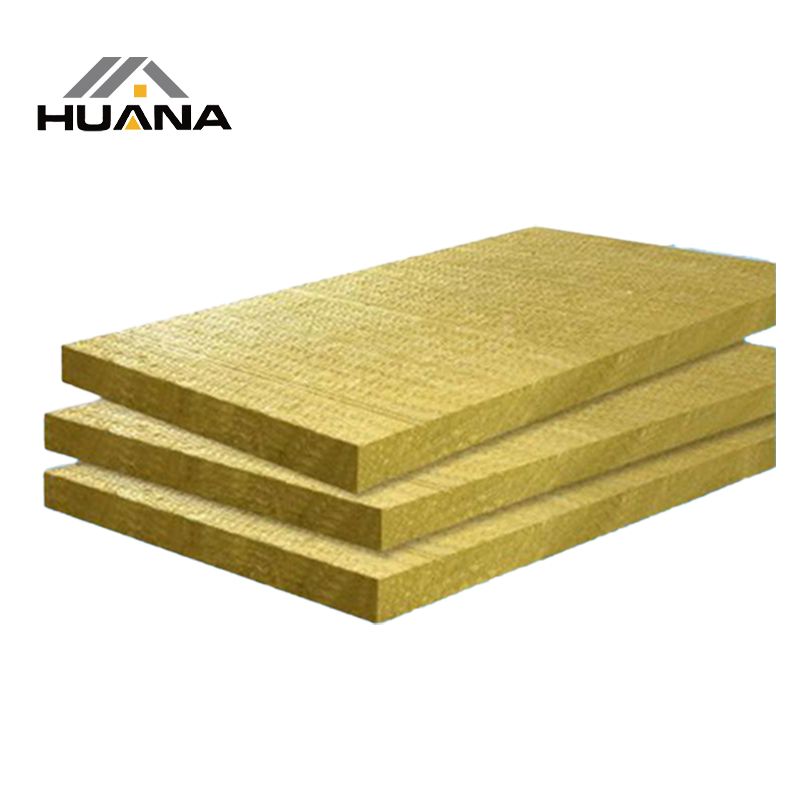
1. Understand the R-Value Requirements
Why: The R-value measures thermal resistance; a higher value indicates better insulation performance.
Operation method: Evaluate your project’s thermal performance requirements to determine the necessary R-value based on climate, building size, and energy efficiency objectives. For example, in colder climates, targeting an R-value above 30 may be beneficial for roofing insulation.
Guidance: This technique is suitable for homeowners looking to improve energy efficiency or builders needing to meet specific building codes.
2. Consider Acoustic Performance Needs
Why: The thickness of rock wool significantly influences its sound absorption capabilities.
Operation method: Look for thicknesses ranging from 50mm to 150mm, depending on the desired soundproofing level. Thicker insulation will typically provide better sound control, making it ideal for residential areas near busy streets or in multi-family dwellings.
Guidance: Use this suggestion if your project involves spaces that require superior acoustic performance, such as recording studios or music rooms.
3. Assess Environmental Factors
Why: Local weather conditions impact insulation performance and insulation selection.
Operation method: Research typical temperature fluctuations and humidity levels in your area. Opt for thicker rock wool in regions with extreme weather conditions to meet thermal stability needs.
Guidance: This is ideal for projects scheduled in areas exposed to harsh climates, ensuring that insulation maintains performance year-round.
4. Evaluate Space Constraints
Why: Limited space may require compromise in insulation thickness but not in performance.
Operation method: Measure the available area to install rock wool insulation. If limited, consider alternatives like high-density batts that can provide better insulation with less thickness.
Guidance: Utilize this method when retrofitting insulation in older buildings where space is at a premium.
5. Check Manufacturer Recommendations
Why: Each brand may have different specifications that affect performance outcomes.
Operation method: Consult the manufacturer’s guidelines for Huana rock wool products to ensure the selected thickness aligns with their performance capabilities. Ensure to read product data sheets and case studies for reference.
Guidance: Especially useful for contractors and builders who value compliance with installation best practices to minimize disputes and audit failures.
Summarizing Key Points
Choosing the right thickness for custom rock wool insulation will depend on multiple factors including R-value requirements, acoustic performance needs, environmental conditions, space constraints, and adherence to manufacturer specifications. Thorough evaluation of each point can lead to improved energy efficiency, comfort, and sound control within your spaces.


评论
发表评论